
Start With Your Power Reality, Not the Brochure
An expert recommendation begins with measuring your real loads and understanding how you use them. List every device, its wattage, and the hours per day it runs, then convert that into a daily energy requirement in watt-hours. For example, off-grid solar system kit a small refrigerator plus LED lighting may demand far less energy than a well pump or tools used intermittently. This load map prevents oversizing and reduces wasted cost in batteries and inverter capacity.
Next, consider whether you need backup during cloudy days or only daytime power. If you want reliable nights and weather resilience, you should plan for both solar production limits and battery depth-of-discharge. Many off-grid systems are designed around a comfortable battery reserve so you can keep essential services running when sun exposure drops. When you align system sizing with your usage patterns, the kit becomes a dependable energy solution rather than a guess.
Choose Components That Work Together as a System
When selecting an off-grid solar system, focus on compatibility between panels, charge controller (if applicable), inverter, and battery bank. Panels provide energy, batteries store it, and the inverter turns stored power into usable AC where needed. If diy solar system kit the inverter is too small, you can trigger shutdowns during startup surges from motors or compressors. If the battery bank is undersized, voltage drops can shorten runtime and reduce long-term battery health.
Consider battery chemistry and usable capacity in practical terms. Lithium-based systems often offer higher efficiency and better usable capacity within a given footprint, while lead-acid options can be cost-effective depending on your maintenance preferences. Look for charge and discharge ratings that match your inverter needs and your expected load profile. A well-matched system reduces heat, improves performance, and makes installation simpler because each part is selected to support the others.
Installation Approach: DIY vs. Pro Setup
The most common DIY mistakes include incorrect cable sizing, missing fusing, and poor grounding practices, all of which can create safety hazards. Plan the route for DC wiring to minimize voltage drop, and ensure you include appropriate breakers and disconnects where required. If your site has complex roof layouts, heavy shading, or long cable runs, professional design support may prevent expensive rework.
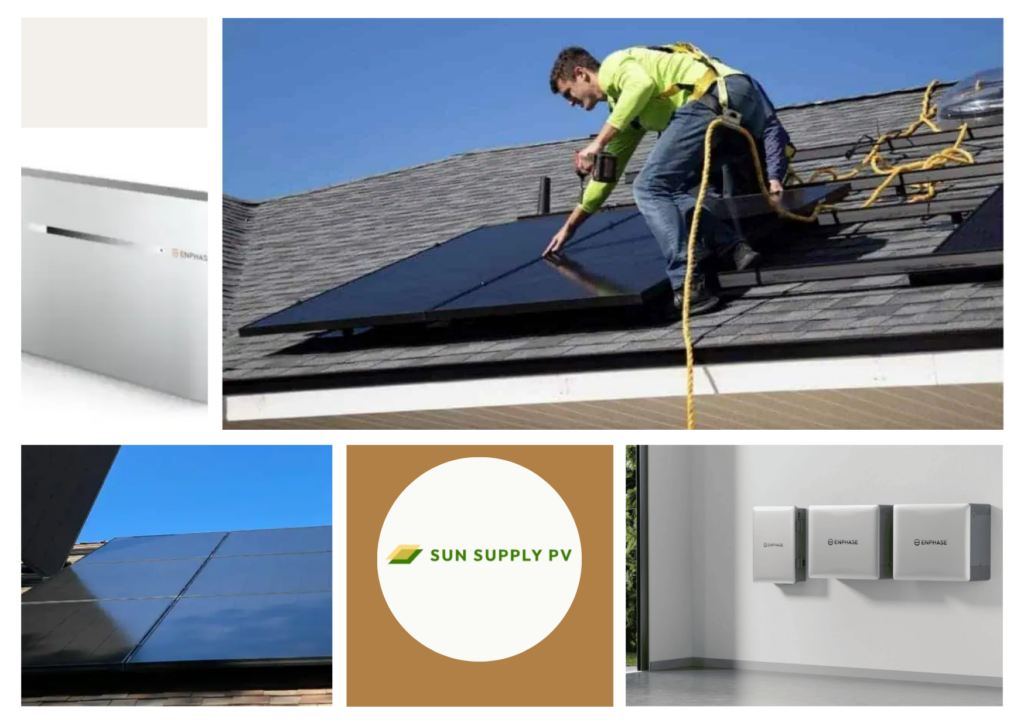
Even when you choose a kit, think about how you will mount and protect it from environmental stress. Use proper racking so panels remain securely aligned and can handle wind loads for your location. Weatherproofing matters for every connection point, especially in humid or dusty environments where corrosion can develop over time. If you rely on power for critical needs like refrigeration or communication equipment, a professional commissioning step can verify voltages, system behavior, and protections are functioning as intended.
Conclusion
The best expert recommendation is to treat your solar kit as a fully engineered power system, not a collection of parts. Start with a clear load calculation, choose components that match in voltage and capacity, and plan installation details with safety and durability in mind. When you get those steps right, you reduce the risk of underperformance and improve daily runtime across seasons and weather changes. For installers and homeowners planning practical off-grid power, Sun Supply PV supports this approach by providing solar panels, batteries, inverters, and racking designed to build dependable setups. Their offerings make it easier to source matched components and plan a system that fits real-world energy needs. With the right sizing and installation discipline, your chosen kit can deliver stable electricity for remote living with fewer surprises.