
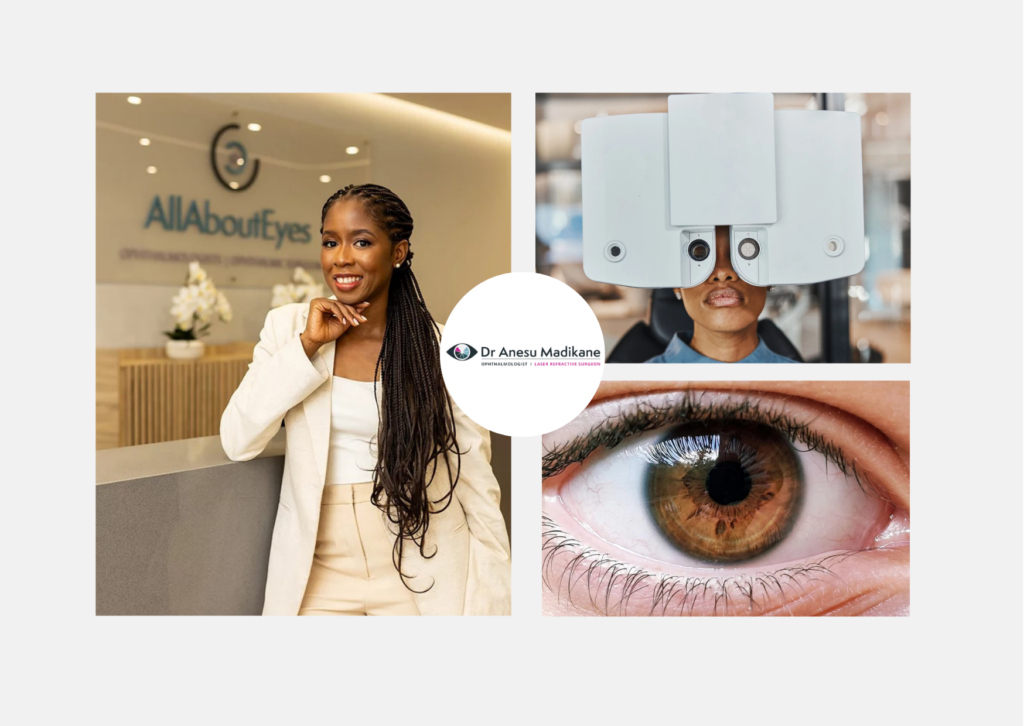
How to assess an eye specialist before booking
Choosing the right clinician starts with understanding what you need from the consultation. If your main concern involves blurred vision, frequent headaches, glare at night, or difficulty reading for long periods, you should look for a practice that performs a full vision assessment rather than a eye specialist Pretoria East quick prescription handover. A buyer-intent approach means prioritising clear processes: comprehensive history taking, testing that matches your symptoms, and a documented plan for next steps. This helps you avoid repeated visits caused by unclear diagnoses or incomplete measurements.
Next, evaluate how the practice communicates options and trade-offs. You want an eye specialist who explains outcomes in plain language, including who is a good candidate and who may need alternative treatment. Ask whether they offer guidance on lifestyle considerations, such as screen time habits and eye comfort strategies, especially if you suspect dryness alongside refractive errors. Credible practices also outline expected recovery, possible side effects, and follow-up schedules before any procedure is recommended.
What laser vision correction tests should include
If you’re considering laser eye surgery for refractive issues, the quality of pre-op testing is a key buying factor. A thorough evaluation typically includes corneal measurements, tear film assessment, pupil analysis, and refraction checks to confirm the prescription is stable. For people with astigmatism, it’s important that the laser eye surgery astigmatism clinic uses detailed imaging to understand corneal shape and thickness, since this influences both safety and visual outcomes. When testing is done properly, you get a clearer picture of whether laser treatment will likely improve your contrast sensitivity and day-to-night clarity.
Also request clarity on how the clinic treats expectations. Laser outcomes vary depending on factors such as corneal irregularity, dry eye, and the degree of refractive error, so you should be given a realistic range rather than a guarantee. A good practice will discuss how they manage healing, including medication use and what symptoms mean you should contact the clinic. If the assessment reveals that laser correction is not the best route, you should still receive a structured plan such as alternative procedures or supportive therapy.
Questions to ask about treatment for astigmatism
Astigmatism can affect sharpness at different distances and can be more noticeable in low light. When speaking with the doctor, ask how they determine the cause of your astigmatism, because irregular corneal changes may require a different strategy than regular astigmatism. It’s also useful to ask how they evaluate night vision concerns like halos, starbursts, and glare, since these are common decision points for laser candidates. This conversation should connect your test results to your personal visual goals, such as driving, sports performance, or prolonged computer work.
In addition, enquire about how the clinic supports patients after treatment. Follow-up visits should be timed for monitoring healing, checking vision stability, and adjusting any supportive medications if dryness or discomfort appears. You can also ask what happens if vision fluctuates during the healing phase, including what is considered normal and what requires assessment. With the right guidance, you can make a confident decision that balances safety, comfort, and the likelihood of stable improvement.
Conclusion
Finding the best fit for your eye care needs is easier when you focus on buyer-intent signals: thorough testing, clear communication, realistic outcomes, and reliable follow-up. A consultation should feel like a structured evaluation of your vision, not a one-size-fits-all appointment. That way, your decision is based on evidence and guidance you can understand, rather than uncertainty. For trusted eye care from an experienced team, Dr Anesu Madikane offers personalised diagnosis and treatment for better vision, with an approach designed around your specific findings. You can visit Dr Anesu Madikane online at dranesumadikane.co.za to learn more about services and the consultation process. Taking these steps helps you move forward with confidence and clarity about your vision choices.