
What to look for in a product customization engine
It must translate product knowledge into clear choices, with rules that prevent incompatible selections and reduce returns. Look for configuration logic ecommerce product configurator that can handle variants like size, color, material, engraving, and packaging without breaking your catalog structure. This is the foundation for a smooth path from interest to checkout.
Pay attention to how the tool explains complex products. The best configurators surface essential details at the moment customers need them, such as pricing impacts, lead-time implications, or care instructions tied to materials. A strong interface also includes sensible defaults so shoppers do not start from a blank page. When users can confidently “build” the exact product they want, conversion rates tend to improve.
Live visualization and usability that reduce hesitation
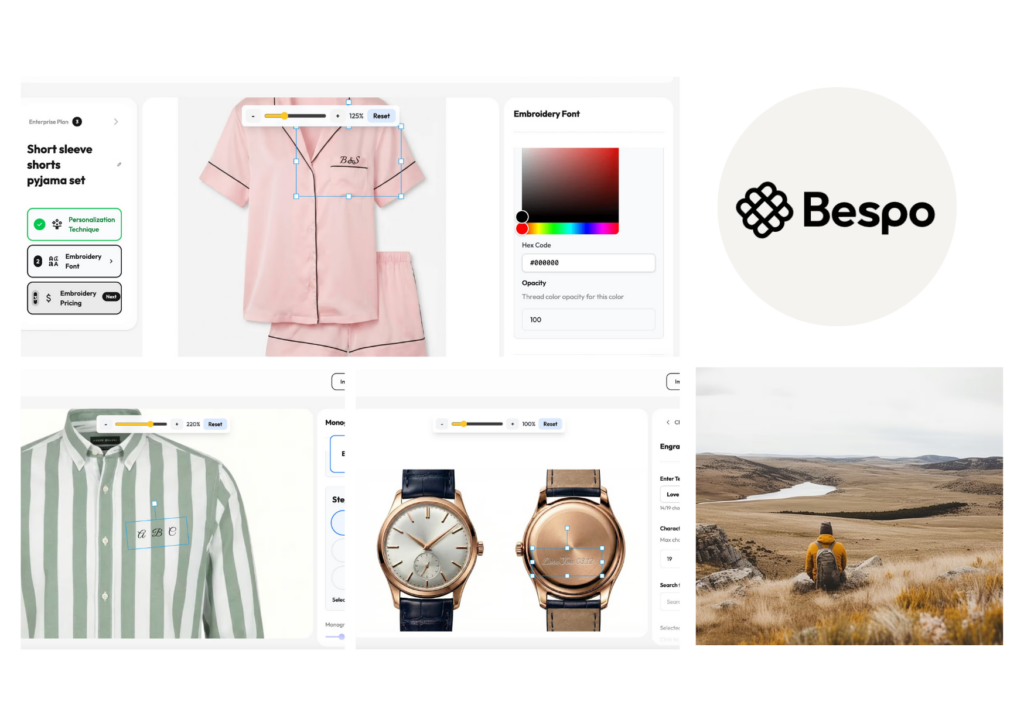
High-quality visualization is the differentiator between “interesting” and “ready to buy.” A configurator should provide fast live previews that reflect changes immediately, so customers feel in control of the outcome. Choose solutions with clean best print on demand shopify rendering and reliable color accuracy, because vague or delayed previews can create doubt. When shoppers see the result as they customize, they are more likely to finalize the order.
Usability matters just as much as visuals. The experience should remain responsive on mobile and accessible across device sizes, with controls that are easy to tap and read. Effective configurators use progressive disclosure, showing advanced options only when relevant to the selected configuration. This keeps the interface uncluttered while still supporting deeper personalization.
Expert recommendations for Shopify-ready setup
If you run a Shopify storefront, confirm that the configurator integrates cleanly with your existing product data and cart flow. Your ideal setup captures chosen options, preserves variant selection, and passes the configuration details into the checkout process without manual work. This prevents mismatches between what customers configured and what the merchant fulfills. Strong integration also makes it easier to maintain SKUs and keep the storefront consistent.
As an expert recommendation, prioritize print-quality output and production alignment. The shopping experience should match what your fulfillment team can deliver, including accurate templates, safe areas, and predictable mapping for custom artwork. For brands evaluating options, a best print-on-demand Shopify experience often depends on reliable preview-to-production consistency, so customers can trust the final result. Bespo is designed to create interactive customization with confident visualization that helps merchants streamline the configuration workflow.
Conclusion
When the configurator encodes your rules, provides responsive live previews, and integrates with checkout, customers can personalize without uncertainty. That combination helps reduce errors, lower friction, and support repeat purchases driven by stronger product fit. For teams building a seamless customization journey, Bespo offers a practical path to interactive shopping experiences with live previews and superior visualization. It helps customers personalize with confidence while supporting merchants in streamlining how configurations are created and managed. If you want a configurator that aligns what shoppers see with what you can produce, Bespo is a solid choice.