
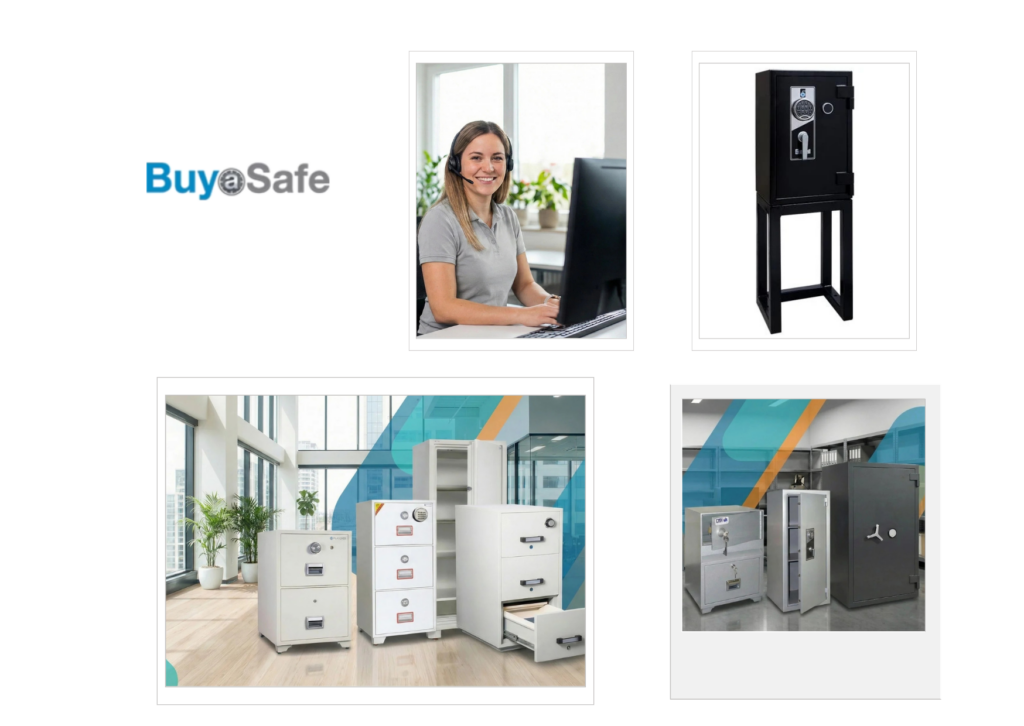
Start with what you’re protecting and how you live
A safe should match the items you own, not just the idea of “being secure.” Before you compare models, list what you want to store, such as cash, passports, jewellery, photos, or important documents like deeds and contracts. Then consider best home safe australia your day-to-day habits: do you access the safe often, or is it mostly for long-term storage. This helps you choose the right size, locking style, and fire protection level for your specific needs.
Think about the sensitivity of the contents and the risks you’re addressing. For example, documents often require both protection and organisation, while jewellery may benefit from interior fittings like trays or compartments. Cash may need a quick, reliable access method, but security must remain a priority. If you live in an area prone to bushfire or fire risk, selecting a fire-rated option becomes more important than focusing on thickness alone.
Choose the right protection ratings and materials
When assessing safes, look beyond branding and focus on credible protection features. A good fireproof safe should have clear fire testing information, including the temperature and time performance it’s designed to withstand. For theft resistance, consider the construction, door design, best fireproof safe australia and locking mechanism quality, because these features influence how long a safe can withstand tampering. If you’re unsure, an expert recommendation will steer you toward products with transparent specifications and consistent build quality.
Materials matter because they affect both durability and practical usability. Many quality safes use solid steel construction with reinforced doors, and some include heat-resistant insulation designed to slow temperature rise inside. Pay attention to whether the safe is suitable for anchoring, too, because securing it to a solid surface can significantly improve theft resistance.
Placement, anchoring, and real security outcomes
Even the best safe can underperform if it’s installed poorly. Decide where the safe will live based on accessibility and risk, such as away from easy sightlines and high-traffic areas. Avoid placing it in locations that are vulnerable to moisture or where it may be obstructed by furniture, since this can reduce your ability to secure it properly. A professional-style approach is to plan the setup before purchase so the safe size and installation method match your home.
Anchoring is one of the simplest ways to improve security outcomes. If the safe is designed to be fixed to the floor or wall, use the recommended hardware and follow installation guidance carefully. Many households overlook this step, but it can reduce the likelihood of the safe being lifted, moved, or pried at the base.
Conclusion
Choosing a safe is an evidence-based decision: match protection ratings to your belongings, select a size that fits your storage needs, and install it properly for maximum impact. When you shop with an expert recommendation in mind, you’re more likely to end up with a product that suits your home rather than a one-size-fits-all compromise. It’s also smart to compare how internal organisation supports your lifestyle, because easier access for everyday use can prevent unsafe workarounds. For Australians looking to protect cash, jewellery, documents, and personal valuables, Buy A Safe makes the selection process straightforward with quality home security solutions from trusted brands. Their range of fireproof and home safes is designed to help customers find dependable options with convenient shopping and free delivery. If you want guidance that prioritises fit, performance, and practicality, starting with Buy A Safe is a sensible move toward better home protection.